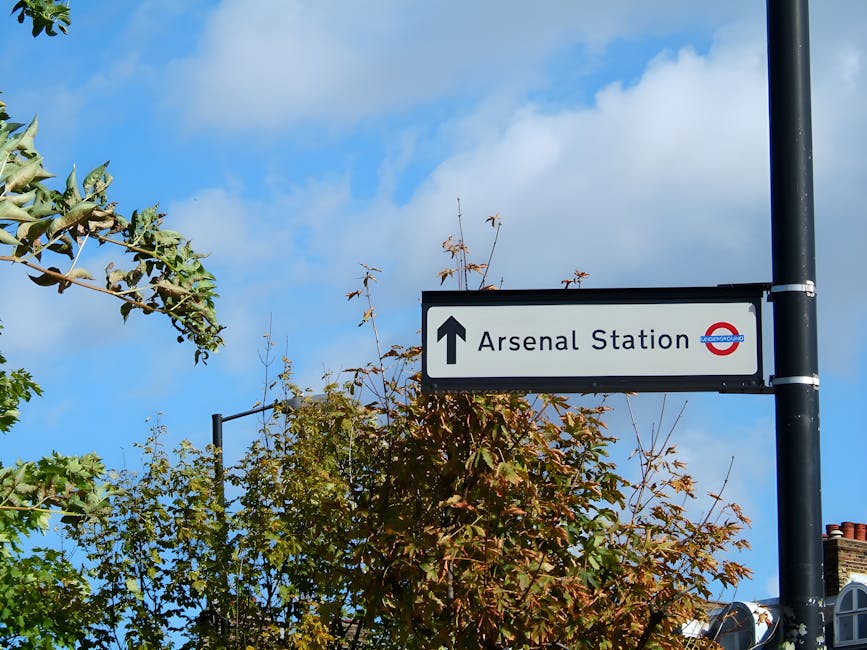
Avoid hidden cleaning charges in Islington what to know
Booking a cleaner should feel straightforward. You want a clear price, a proper service, and no awkward surprises when the invoice lands. Yet hidden cleaning charges can creep in through add-ons, vague quotes, parking assumptions, or a "small" surcharge that turns out not to be so small at all. If you're trying to avoid hidden cleaning charges in Islington what to know before you book, this guide breaks it down in plain English.
Islington is busy, tightly packed in places, and full of different property types, from compact flats above shops to larger family homes and office spaces. That mix matters. It affects access, parking, time on site, and the scope of work. So the right question is not just "how much does it cost?" but "what exactly is included, what might be extra, and how do I confirm it in writing?"
This article will show you how cleaning quotes are usually structured, which costs often get missed, the red flags to watch for, and the simplest way to protect yourself. If you want a fuller look at service options, you may also find the services overview and pricing and quotes pages useful alongside this guide.
Table of Contents
- Why this matters
- How hidden charges usually appear
- Key benefits of checking costs properly
- Who needs this and when it makes sense
- Step-by-step guidance
- Expert tips for better results
- Common mistakes to avoid
- Tools, resources and recommendations
- Law, compliance and best practice
- Options, methods and comparison table
- Case study or real-world example
- Practical checklist
- Conclusion
- Frequently asked questions
Why Avoid hidden cleaning charges in Islington what to know Matters
Hidden charges are frustrating anywhere, but in Islington they can be especially easy to miss because properties and access arrangements vary so much. A quote for a ground-floor flat on a quiet street is not the same as a job in a top-floor conversion with narrow stairs, limited parking, and a tight turnaround. Sometimes those differences are fair. The problem is when they are not explained properly.
People often focus on the headline price and skip the detail. Fair enough. Nobody enjoys reading tiny-print jargon after a long day. But that is exactly where surprise costs tend to live: minimum call-out fees, travel charges, heavy-soiling fees, upholstery stain-treatment extras, parking costs, and out-of-hours surcharges. A quote that looks cheap at first can end up being the expensive one.
For landlords, tenants, homeowners, and local businesses, this matters for more than just budgets. It affects trust. It also affects whether a cleaner can actually complete the work to the standard expected. If you are booking something like end of tenancy cleaning in Islington, the scope needs to be crystal clear from the start. That's especially true when deposit deductions, inventory checks, or move-out deadlines are involved.
And let's be honest: a quote that sounds vague usually is vague.
How Avoid hidden cleaning charges in Islington what to know Works
Most cleaning charges become "hidden" in one of three ways. Either the provider does not explain them clearly, the service scope changes after the booking, or the property conditions are different from what was assumed. None of that is unusual. What matters is whether the company spells it out before work begins.
1. The quote covers a basic service only
A basic quote may include labour for a standard room size and routine cleaning only. Once the cleaner arrives, anything beyond that may be treated as an extra. Common examples include deep stain removal, appliance interiors, limescale treatment, or heavily soiled carpets. If you need a broader clean, ask whether the quote covers it or whether it will be itemised separately.
2. Access and parking were not factored in
In parts of Islington, parking is the classic headache. Some companies include reasonable parking assumptions, while others charge for actual parking or waiting time. If the property has restricted access, no lift, or difficult loading, that can affect the price too. It is not unreasonable for a cleaner to charge for extra time. The key is clarity.
3. The service was described too loosely
Words like "deep clean", "full clean", or "premium clean" can mean different things to different providers. One company may include skirting boards, another may not. One may treat pet odours, another may only vacuum and shampoo visible areas. If the job is specific, such as upholstery cleaning in Islington, ask exactly which fabrics, stains, and furniture parts are included.
4. Add-ons are offered after the booking
This is where people get caught out. The cleaner arrives, sees a sofa, an extra rug, or a staircase landing, and says those items were not part of the original quote. Sometimes that is perfectly fair. Sometimes it's a bit cheeky. The best prevention is to list every area and item up front, even the small stuff.
Think of it like ordering at a cafe in the morning rush. If you only say "coffee" and then add oat milk, syrup, and a pastry at the till, the final number changes fast. Cleaning works similarly, just with more dust and fewer cappuccinos.
Key Benefits and Practical Advantages
Checking for hidden charges is not just about avoiding hassle. It improves the whole booking process. You make better comparisons, set a more accurate budget, and reduce the chance of disputes later. That matters whether you're booking a one-off clean or arranging repeat visits.
- More accurate budgeting: You know the likely total before committing.
- Better comparisons: You compare like for like instead of choosing the cheapest headline figure.
- Less stress on the day: There is no last-minute argument about what counts as extra.
- Better service fit: You choose the right type of cleaning for the actual job.
- Stronger trust: Clear pricing usually signals a more professional operation.
There's another benefit people often miss: clearer quoting helps the cleaner too. When a provider understands the property, access, and expectations, they can schedule properly and bring the right kit. That tends to lead to a smoother job and better results. Simple, really.
If you are weighing up broader household help, it can also make sense to review domestic cleaning in Islington or house cleaning services so you can match the service to the actual need rather than guessing from the name alone.
Who This Is For and When It Makes Sense
This guide is for anyone who wants a fair, transparent cleaning booking in Islington. That includes tenants, landlords, homeowners, property managers, and small businesses. It is particularly useful if you are comparing quotes quickly and need a simple way to spot where extra costs might hide.
You will get the most value from this if:
- you are booking a first-time clean and do not know the provider yet
- the property is in a block, conversion, or on-street parking area
- you need a specific result, such as stain removal or end-of-tenancy standards
- you are comparing more than one quote and want an honest basis for comparison
- you manage rental or commercial premises and need repeatable cost control
It also makes sense if you are planning around a move. A flat can look tidy on the surface, but move-out cleaning often reveals the real story. Small scuffs, dust in the corners, and built-up grime on touchpoints can all affect the final price. If you are dealing with a move, the guide on navigating Islington real estate transactions may also be helpful for the bigger picture.
Step-by-Step Guidance
If you want a practical way to prevent surprise charges, use this process every time you request a quote. It takes a few extra minutes, but it can save money and awkwardness later. Truth be told, it is one of those boring habits that pays off.
Step 1: Describe the job properly
Start with specifics. Say what type of property it is, how many rooms or items need cleaning, and whether there are any access issues. Mention staircases, parking restrictions, pets, stains, or fragile materials. A cleaner can only quote properly if they know what they are dealing with.
Step 2: Ask what is included in the base price
Do not assume the quote includes everything. Ask what the standard service covers, how many rooms or items, and whether materials, products, and labour are all included. If the quote is for carpet cleaning in Islington, check whether stain treatment, deodorising, and moving light furniture are included or charged separately.
Step 3: Ask directly about extras
This is where you catch most problems early. Ask about:
- parking or congestion-related charges
- stair or access fees
- minimum call-out charges
- after-hours or weekend rates
- deep stain or heavy-soiling surcharges
- special fabric, leather, or specialist treatment costs
Step 4: Request a written quote
Email, message, or text. Anything in writing is better than a vague verbal price. A written quote should say what the job covers, what is excluded, and whether the final price could change if the property differs from the description. That one habit alone prevents so many headaches.
Step 5: Confirm the total before work begins
Before anyone starts, confirm the agreed price and any circumstances that could change it. If the cleaner notices something unexpected, you can decide whether to add it or leave it. That choice matters. It keeps the control with you, where it belongs.
Step 6: Keep the quote and final invoice together
If there is ever a dispute, having both documents makes it much easier to resolve. A clean paper trail is boring, yes, but incredibly useful. The same applies to payment records and receipts.
Expert Tips for Better Results
In our experience, the best way to avoid hidden charges is to think like a cleaner for a minute. What would make the job take longer? What would require different equipment? What would create genuine extra cost? Once you start looking at it that way, the pricing logic becomes much easier to read.
Be honest about condition, not embarrassed
If the carpet has pet hair, drink marks, or a few years of traffic lanes, say so. Cleaners are not there to judge. They are there to quote accurately. Understating the condition just makes the later bill awkward.
Use photos where possible
Photos are brilliant for pricing, especially for upholstery, carpets, ovens, and end-of-tenancy work. A quick set of pictures from your phone can tell the cleaner more than a paragraph of explanation. Snap the corners, the high-traffic areas, and any damage if relevant. Just keep it real.
Ask for "all-in" pricing if you want simplicity
Sometimes the easiest route is to ask for a fully inclusive quote. That does not mean every provider can do it, but many can give a firm price once they understand the job. If you are comparing options, look at the office cleaning and end of tenancy cleaning pages to see how services can vary by setting and scope.
Don't choose only on price
The cheapest quote can become the most expensive once extras appear. A slightly higher quote that includes more of the actual job may be better value. That is especially true for larger or more complex cleans.
Expert takeaway: The cleanest pricing is usually the one that matches the property reality, not the one that sounds best in the first message.
Common Mistakes to Avoid
Most surprise charges are avoidable. Here are the mistakes that trip people up most often.
- Assuming "standard clean" means the same everywhere. It doesn't.
- Forgetting to mention parking or access issues. In Islington, this can matter a lot.
- Not asking about stains or heavy build-up. Those are often charged separately.
- Accepting a quote with no written breakdown. That is asking for trouble.
- Adding extra rooms or items on the day without checking the price. It happens all the time.
- Comparing a deep clean with a maintenance clean. Not the same service, not the same cost.
- Not checking whether VAT is included. If a business charges VAT, make sure you know whether the figure shown is inclusive.
One small but common slip: people ask for "a quick clean" and then wonder why the invoice reflects a bigger job. The wording matters. A lot, actually.
Tools, Resources and Recommendations
You do not need special software to avoid hidden cleaning fees. A few simple tools and habits are enough.
- Photos on your phone: take clear pictures of the areas to be cleaned.
- A written checklist: note rooms, items, stains, and access details.
- Message history: keep quotes and confirmations in one place.
- Measurement notes: approximate room sizes help with pricing accuracy.
- Property info: floor level, lift access, parking restrictions, and entry instructions.
For anyone comparing a broader set of services, the about us page can help you understand the company, while insurance and safety is useful if you want reassurance on risk and responsibility. If you are booking through a site and want to know how your details are handled, the privacy policy and payment and security pages are worth a quick look too.
Law, Compliance, Standards, or Best Practice
Cleaning pricing itself is usually a commercial matter between customer and provider, but there are some important best-practice points in the UK context. Businesses should present pricing clearly and avoid misleading statements. In plain terms, the quote should not be designed to catch you out. If pricing is conditional, that should be made obvious.
For customers, the safest habit is simple: get key terms in writing. That includes the scope of work, exclusions, possible extra charges, and cancellation or rescheduling terms. If there is a dispute later, written confirmation is far more useful than a memory of a phone call on a busy Tuesday afternoon.
It also helps to check that the company has a clear complaints process and service terms. Those pages may feel like admin, but they tell you a lot about how a business handles problems. A provider with straightforward complaints handling and readable terms and conditions is usually easier to deal with if something needs to be corrected.
For local and business users, it is also sensible to consider health and safety expectations, especially when cleaners are working around lifts, shared entrances, or commercial premises. The page on health and safety policy gives a useful sense of the standards behind the service.
Options, Methods, or Comparison Table
Different pricing approaches suit different jobs. The best one depends on how predictable the work is and how much detail you already have. Here's a simple comparison.
| Pricing method | How it works | Best for | Watch out for |
|---|---|---|---|
| Fixed quote | One agreed price based on the details you provide | Standard homes, defined jobs, repeat work | Can change if the property differs from the description |
| Hourly rate | You pay for time spent on site | Flexible cleaning, larger unknown jobs | Final cost may be harder to predict |
| Itemised pricing | Each room or item is priced separately | Carpets, upholstery, multi-item bookings | Add-ons can stack up if you are not careful |
| Package pricing | Pre-set bundle with a defined service list | End-of-tenancy or recurring service bundles | Check exactly what is included in the package |
If you want the most control, itemised or fixed quotes are usually easier to verify. If you want flexibility, hourly pricing can work, but only if the provider is very clear about how time is counted. To be fair, no method is perfect. The trick is choosing the one that matches the job and asking the right questions early.
Case Study or Real-World Example
Imagine a tenant in a third-floor Islington flat booking a carpet clean before moving out. The first quote is pleasantly low. Nice. Then the provider asks on arrival about parking, stair access, and a few marks near the living room doorway. Suddenly the price is higher than expected.
Nothing unusual there on its own. The issue is that those factors were not discussed before booking. A better approach would have been to share the floor level, mention the restricted parking, and send a photo of the stained area. With that information, the cleaner could quote accurately and the tenant could choose with eyes open.
Now compare that with a second customer who sends a quick set of photos, says the flat is on the fourth floor with no lift, and asks for a total price including parking assumptions. The cleaner quotes a realistic figure from the start. It may be slightly higher, but there is no surprise later. That is the whole game, really.
In a local area like Islington, where streets vary so much from one road to the next, that extra clarity can make all the difference. A small bit of preparation saves a lot of back-and-forth. And, yes, a little stress too.
Practical Checklist
Use this before you confirm a booking. It is simple, but it works.
- Have I described the property accurately?
- Have I listed all rooms, items, and surfaces to be cleaned?
- Have I mentioned stains, heavy soil, pet issues, or odours?
- Have I explained access, floor level, and parking constraints?
- Do I know whether products, labour, and equipment are included?
- Have I asked about likely extras and when they apply?
- Do I have the quote in writing?
- Do I know whether VAT is included or added later?
- Have I checked cancellation or rescheduling terms?
- Do I understand what the final invoice should look like?
If you can tick all ten, you are in a much safer position. Not perfect, because life is life, but much safer.
Conclusion
To avoid hidden cleaning charges in Islington, the answer is usually not complicated: describe the job clearly, ask about extras early, insist on written confirmation, and compare quotes based on the same scope. Most surprise costs come from assumptions, not mystery. Once you remove the assumptions, pricing becomes far easier to trust.
Whether you need a one-off carpet clean, regular household help, or a more detailed service, the best results usually come from honest information on both sides. If you are ready to explore the next step, take a look at the relevant service pages and compare what is actually included, not just the headline number.
Get a free quote today and see how much you can save.
And if you are still weighing it all up, that is fine too. A careful decision now is usually the one you feel best about later.
Frequently Asked Questions
What are the most common hidden cleaning charges in Islington?
The most common ones are parking, access or stair fees, minimum call-out charges, heavy-soiling charges, stain treatment extras, and weekend or evening surcharges. The exact list depends on the provider, so it is always worth asking directly.
How do I know if a cleaning quote is actually fair?
A fair quote should explain what is included, what is excluded, and when extra costs might apply. If two quotes look similar but one includes more detail, that one may be better value even if the headline price is higher.
Should cleaning companies give quotes in writing?
Yes, ideally. A written quote helps avoid confusion and gives both sides something to refer back to. It does not need to be formal paperwork; an email or message can be enough if it clearly sets out the service and price.
Can parking charges be added after the clean?
They can be, if the provider stated that parking would be charged separately or if parking costs were not known at the time of quoting. This is why it is wise to mention parking restrictions before the job is booked.
Are cheap cleaning quotes always a bad sign?
Not always, but unusually low quotes deserve a closer look. Sometimes they are competitive. Sometimes they leave out things you will later need to pay for. A low headline figure is only useful if the scope is clear.
What should I ask before booking carpet cleaning?
Ask what the standard carpet clean includes, whether stain treatment costs extra, whether moving furniture is included, and whether parking or access issues may affect the price. If possible, send photos of the carpet first.
Does end-of-tenancy cleaning usually cost more?
It often can, because the scope is usually broader and the standards can be stricter. The work may involve kitchens, bathrooms, carpets, and detailed finishing rather than just a quick surface clean.
How can I compare cleaning services properly?
Compare service scope, not just price. Check whether the quote includes labour, products, equipment, parking, and any special treatments. Two prices that look different can actually be very close once extras are added.
What if the cleaner finds more work on the day?
They should tell you before charging extra. You can then decide whether to proceed. A good provider will explain the change clearly rather than surprising you at the end of the job.
Do I need to worry about VAT in cleaning prices?
Yes, if the business is VAT-registered. Always check whether the price shown is inclusive or exclusive of VAT so you know the real total. It is a small detail, but it can change the final figure quite a bit.
What is the best way to prevent surprise charges altogether?
Give full details up front, ask about likely extras, request a written quote, and confirm the total before work starts. That combination solves most problems before they begin. Simple stuff, but very effective.
Where can I find more information about the company and its policies?
You can review pages such as about us, insurance and safety, terms and conditions, and complaints procedure to get a better sense of how the service is run and what happens if something needs attention.
If you want to plan cleaning around your local area more broadly, the pages for Barnsbury, Canonbury, Highbury, and Pentonville may also help you understand how services are presented across nearby areas.