Council rules for waste from cleaning firms Islington explained
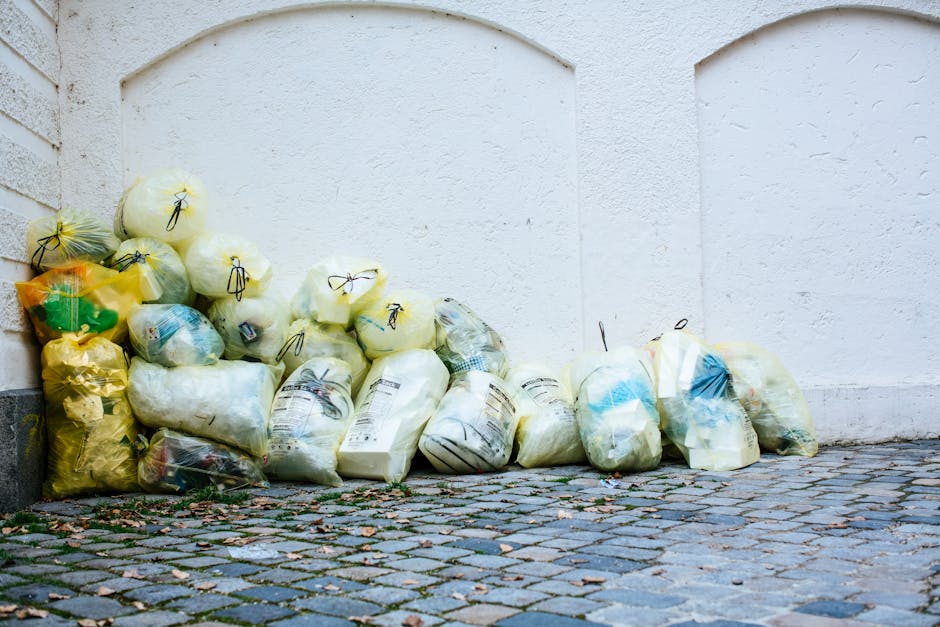
If you run a cleaning business in Islington, waste handling can feel like a small back-office chore right up until it becomes a problem. One wrong bin, one damp sack left outside too early, or one load of waste dumped without the right care, and suddenly you are dealing with complaints, missed collections, or worse, a compliance headache. This guide on Council rules for waste from cleaning firms Islington explained walks through the practical side of it all: what counts as cleaning waste, how Islington businesses should think about disposal, what good practice looks like, and where cleaners often trip up.
The aim here is simple. You want to keep customers happy, keep your team safe, and avoid doing anything that makes a council notice your operation for the wrong reasons. That sounds obvious, but in the real world it is easy to blur the line between household-style waste and business waste. Let's sort that out properly.
Why Council rules for waste from cleaning firms Islington explained Matters
Waste from cleaning firms is not just "rubbish". In practice it can include dirty cloths, vacuum contents, disposable mop heads, packaging, empty chemical containers, degraded textiles, and sometimes contaminated water or sludge depending on the job. Once you are handling these materials as part of a business, the expectations are usually stricter than for ordinary household waste.
Why does this matter so much in Islington? Because local streets are busy, space is tight, and collections need to be managed carefully. A bag left outside too long can split. A bin placed badly can obstruct pavements. A small spill can spread fast on a wet morning, especially when vans are loading and unloading in a hurry. Truth be told, most problems come from rushing, not from bad intent.
Understanding the council's waste expectations helps with three things:
- Compliance: you avoid messy disputes over waste placement, collection timing, and disposal methods.
- Professionalism: customers notice when a company leaves a property neat rather than leaving a trail of packaging and dirty material behind.
- Efficiency: a simple waste process saves time on site and keeps jobs running smoothly.
It also supports your reputation. In a borough like Islington, word travels quickly. One untidy end-of-job scene can undo a lot of otherwise careful work. That is especially true for cleaning businesses that work in flats, managed buildings, shared entrances, or narrow residential streets where residents are already sensitive to clutter.
If your work includes larger domestic or commercial contracts, it is worth aligning waste handling with your wider operational policies too. Pages like health and safety guidance and recycling and sustainability commitments can help set the tone for how your team should work every day.
How Council rules for waste from cleaning firms Islington explained Works
The basic idea is straightforward: if your cleaning firm creates waste as part of its trade, you need a controlled way to store it, move it, and dispose of it. The council is mainly concerned with preventing litter, nuisance, blocked access, fly-tipping, contamination, and unsafe handling. That means the process is not just about "where does the bag go?" but also "how do you keep it contained until it is collected or taken away properly?"
In most cleaning businesses, the waste journey has a few stages:
- Collection on site: dirty materials are gathered during or after the job.
- Segregation: general waste, recyclable packaging, and any potentially contaminated items are separated where possible.
- Temporary storage: waste is kept in sealed, suitable containers or sacks so it does not leak or smell.
- Transport: it is moved by the business in a tidy, lawful manner.
- Final disposal: the waste is handed to an authorised collection route or approved facility, depending on the type of waste and your setup.
That may sound like a lot for a bag of used cloths and packaging. But once you scale it up across several appointments a day, the system matters. A cleaner doing three upholstery jobs and two stairwells in one afternoon can generate a surprising amount of waste. It adds up quickly, a bit like laundry, only less glamorous.
There is also the practical question of liquid waste. Wet extraction cleaning, carpet rinsing, and spot treatment can create dirty water. You should not assume all wastewater can be tipped anywhere convenient. You need to think about what is being discharged, where it is going, and whether your method is safe and acceptable. If you are unsure, it is better to treat it cautiously and document your procedure.
For businesses offering services such as carpet cleaning, steam carpet cleaning, upholstery cleaning, or commercial carpet cleaning, the waste profile can vary job by job. That is exactly why a standard process is so useful. It keeps the team from improvising every time, and improvisation is where the trouble usually starts.
Key Benefits and Practical Advantages
Getting waste handling right is not just about avoiding a slap on the wrist. There are real, everyday benefits for the business and for the customer experience.
- Cleaner job finishes: clients are more likely to remember the fresh room, not the mess left in the hallway.
- Less cross-contamination: dirty cloths, pet-related waste, and chemical packaging are kept apart from clean equipment.
- Safer vans and storage areas: controlled waste is less likely to leak, smell, or create slip hazards.
- Better customer trust: a tidy waste process looks professional, especially in shared buildings and offices.
- Lower disruption: fewer complaints about odour, noise, or rubbish placement outside properties.
There is another benefit people often miss: consistency. When your waste routine is solid, new staff can learn it quickly. That matters if you are scaling up, using subcontractors, or moving between domestic and commercial work. You do not want each team member deciding their own version of "good enough".
Expert summary: the best waste systems are boring in the best possible way. Clear bags, clear labels, clear responsibilities, and no guesswork. Boring is good here.
For customer-facing businesses, this also supports wider trust signals. If you are already transparent about insurance and safety or your terms and conditions, a sensible waste process fits the same professional standard. It tells people you do things properly, even when nobody is watching. That sounds small, but customers do notice.
Who This Is For and When It Makes Sense
This topic matters for a wide range of people, not just large firms with vans and depot space. In fact, some of the biggest waste handling mistakes happen in smaller operations because they assume they are too small to matter. They are not.
You should pay close attention if you are any of the following:
- a sole trader cleaning domestic properties in Islington
- a small cleaning team working across flats, offices, and managed buildings
- a specialist business handling carpets, upholstery, rugs, curtains, or mattresses
- a commercial cleaning provider with recurring client waste from ongoing contracts
- a cleaner who uses detergents, stain removers, or chemical products on-site
It also makes sense to review these rules when you are:
- taking on a new contract with more waste volume than usual
- training staff or subcontractors
- changing vans, storage systems, or waste containers
- responding to a complaint about rubbish, smells, or waste left behind
- reviewing your sustainability policy or operational documents
Let's face it, waste rules tend to be one of those subjects people only think about when something has already gone wrong. But that is actually the best time to tighten the system: before the next job.
Step-by-Step Guidance
If you want a sensible, repeatable process, use this structure. It keeps things practical and easy for the team to follow.
- Identify the waste before the job starts.
Think through what your team may generate: packaging, disposable pads, used cloths, vacuum debris, empty bottles, or protective coverings. A five-minute pre-job check avoids a lot of confusion later. - Separate waste streams where possible.
Keep clean recyclable packaging apart from soiled or contaminated waste. Even a basic split between general waste and recyclables can make disposal tidier and more responsible. - Use suitable bags or containers.
Bags should be strong enough for the contents. Wet or sharp items need extra care. Nobody enjoys lifting a split sack in the rain, especially at 7:30 in the morning. - Keep waste sealed and contained.
Do not leave open buckets, dripping cloths, or loose packaging in communal areas, hallways, or pavements. - Move waste out of the property respectfully.
Minimise noise, drips, and obstruction. In shared spaces, this is a small courtesy with a big impact. - Record your routine.
A simple internal note or checklist helps if you ever need to show that your business has a proper method. - Review the process regularly.
If staff keep getting one part wrong, simplify it. Good systems survive busy days.
One useful habit is to build waste handling into your job wrap-up, not as an afterthought. The end of a cleaning appointment can be hectic: hoses packed away, damp areas checked, customer questions, payment sorted, and keys returned. If waste is left to the very last second, it is easy to miss something. A proper close-down routine prevents that. Every time.
Expert Tips for Better Results
A few small changes can make a big difference to compliance and day-to-day ease.
- Keep a dedicated waste kit in every vehicle. Sealable sacks, gloves, cloths, and a small spill kit save time.
- Label hazardous or chemical-related items clearly. Even if most of your waste is harmless, labels reduce guessing.
- Train staff on what not to mix. For example, keep chemical packaging away from food waste, drink containers, and customer property waste.
- Use a "last scan" before leaving the site. Look down hallways, corners, and door thresholds. Tiny scraps hide in plain sight.
- Build in weather awareness. Wet weather can turn loose waste into a slipping risk fast.
Another tip: align your waste practice with your sustainability messaging. If you say you care about reducing unnecessary waste, then your operational choices should reflect that. Even simple moves such as reusing durable containers, buying concentrated products, or sorting packaging show intent. Customers in Islington tend to appreciate that. They may not say it aloud, but they do notice.
If your work overlaps with stain treatment or more delicate fabric care, pages like stain removal, sofa cleaning, rug cleaning, and curtain cleaning are useful reminders that different services can create different waste patterns. Not all waste is equal, and that is the bit people often gloss over.
Common Mistakes to Avoid
Most waste problems are predictable. That is actually the good news. If you know the common traps, you can avoid them without much drama.
- Leaving waste outside too early. This can create clutter, complaints, or a breach of local collection expectations.
- Overfilling bags. Heavy or bursting bags are awkward to handle and easier to split open.
- Mixing everything together. A mixed bag is messy, harder to manage, and sometimes less defensible if questioned.
- Ignoring damp waste. Wet cloths and extraction residue need more care than dry cardboard.
- Assuming the customer will deal with it. Unless agreed in advance, business waste remains your responsibility.
- Skipping team training. A rule that only lives in the owner's head is not really a rule.
There is also a quieter mistake: forgetting the human side of waste handling. Staff often rush because they are trying to be polite, finish quickly, and get to the next job. Fair enough. But if you want fewer errors, make the process easier rather than expecting perfection from a tired person carrying a full sack down three flights of stairs.
Sometimes the issue is less about discipline and more about design. If your van layout makes waste awkward to store, the system will fail on busy days. That is not a moral failure. It is an operations problem.
Tools, Resources and Recommendations
You do not need a complicated setup to improve waste handling. A few practical tools go a long way.
- Heavy-duty sacks: useful for soiled materials, packaging, and mixed general waste.
- Sealable tubs or crates: ideal for smaller items, spare cloths, and used accessories that should stay contained.
- Gloves and wipes: simple essentials for reducing contact with dirty waste.
- Spill kit: helpful if a bottle leaks, a wet pad drips, or a container tips in the van.
- Job checklists: one of the easiest ways to standardise waste management across your team.
- Staff induction notes: short written guidance beats verbal instructions that people half-remember later.
If you are building a broader operational framework, your support pages can help reinforce the right standards. For example, about the business can support credibility, while your privacy policy and payment and security pages show that your business handles customer matters carefully. That may not be a waste page as such, but trust is built across the whole site, not in one isolated section.
And if you offer specialist cleaning such as pet stain and odour removal or mattress cleaning, it is worth thinking through odour control as well as disposal. Waste is not only visual. Sometimes it is what people smell in the van at the end of a long day, which, to be fair, nobody wants.
Law, Compliance, Standards, or Best Practice
Without pretending to give legal advice, the safest approach is to treat cleaning waste as controlled business waste and to follow the relevant UK and local requirements that apply to your operation. In practice, that usually means staying alert to duty of care principles, safe storage, proper collection arrangements, and avoiding nuisance or fly-tipping risks.
For a cleaning firm, the key compliance habits are usually:
- keeping waste under control from the moment it is produced
- making sure it is not left in a way that causes obstruction or nuisance
- separating waste where that improves safety or handling
- using responsible disposal routes rather than ad hoc dumping
- training staff so waste procedures are consistent
Best practice also means understanding the difference between general rubbish, recyclable materials, and potentially contaminated materials. If a cloth has only dust on it, that is one thing. If it has been used with chemicals, pet waste, or heavy contamination, the handling standards should be stricter. A bit of judgement goes a long way here.
Many local businesses also choose to formalise these expectations in internal policies. That can sit alongside health and safety procedures, insurance and safety information, and sustainability commitments. The point is not paperwork for the sake of it. The point is that when a problem arises, everyone knows what the correct response looks like.
One more practical note: if you are unsure whether a specific type of waste needs special handling, do not guess. Pause, document it, and treat it conservatively until you have a clear process. Guessing is how avoidable issues start. It happens more often than people admit.
Options, Methods, or Comparison Table
Different waste management methods suit different cleaning businesses. There is no single perfect setup, but there are better and worse fits depending on your job type and volume.
| Method | Best for | Pros | Watch-outs |
|---|---|---|---|
| Simple bag-and-bin routine | Small domestic cleaning jobs | Low cost, easy to train, quick to use | Can become messy if bags are not labelled or sealed properly |
| Segregated waste containers | Teams with more varied waste types | Cleaner sorting, easier recycling, better control | Needs space in the van or storage area |
| Structured commercial collection process | Higher-volume firms and contract cleaners | More consistent, easier to audit, more professional image | Requires stronger admin and staff discipline |
| Job-by-job disposal review | Specialist cleaning or irregular waste patterns | Flexible for unusual jobs | Can be slower if not supported by a checklist |
For many Islington cleaners, a hybrid approach works best. Keep the routine simple, but give staff a bit of structure. That way, you do not turn every job into a mini waste audit, which would be overkill, but you also do not leave people guessing.
Case Study or Real-World Example
Consider a small cleaning firm handling a set of flats in a busy Islington street on a Friday afternoon. The team finishes a carpet clean, a sofa refresh, and a stain treatment in one visit. By the end of the job, they have used cloths, an empty product bottle, protective packaging, and damp residue materials.
On a rushed day, it would be easy to toss everything into one sack, carry it through the entrance, and leave the bag near the van while the customer signs off. But that creates a few problems at once: mixed waste, possible drips, a cluttered walkway, and a less professional handover.
Instead, the cleaner does the following:
- separates clean cardboard and recyclable packaging
- places damp cloths in a sealed sack
- keeps product containers upright and contained
- does a final check of the hallway and doorstep before leaving
- records the job as complete with waste removed from the site
The result is not flashy. It just works. The customer sees a tidy finish. The team avoids a spill. The business stays consistent. Simple enough, really, but that simplicity is the product of good preparation, not luck.
Practical Checklist
Use this checklist before and after cleaning jobs that create waste. It is not fancy, but it is genuinely useful.
- Have I identified what waste this job is likely to create?
- Are clean, dirty, recyclable, and chemical-related items separated appropriately?
- Are all waste bags sealed and strong enough for the contents?
- Do we have a safe place in the van or storage area for temporary containment?
- Have staff been told what to do with damp or contaminated items?
- Is anything likely to drip, smell, or leak during transport?
- Have I checked hallways, entrances, and loading areas before leaving?
- Do I know who is responsible for final disposal or collection?
- Is the process written down anywhere, even briefly?
- Would a customer or inspector see this as tidy, safe, and sensible?
If the answer to any of those is "not really", that is your cue to tighten things up. No drama. Just fix the gap before it becomes a complaint.
Get a free quote today and see how much you can save.
Conclusion
Cleaning waste is one of those operational details that can either run quietly in the background or cause a surprising amount of disruption. In Islington, where space is tight and people notice what happens on the street, it pays to be organised. The best approach is usually the simplest one: identify the waste, separate it sensibly, contain it properly, and make sure your team understands the routine.
That is the practical heart of Council rules for waste from cleaning firms Islington explained. Not a pile of red tape, just a clear expectation that businesses manage what they produce responsibly. If you build that into your day-to-day work, you will probably save time, reduce complaints, and make your business look far more professional. And honestly, that is a good place to be.
If your cleaning business already takes pride in careful service, this is just another part of the same standard. Keep it tidy. Keep it consistent. That's the job.
Frequently Asked Questions
What counts as waste from a cleaning firm in Islington?
It can include dirty cloths, disposable pads, vacuum debris, packaging, empty product containers, protective coverings, and sometimes damp residue or contaminated materials from specialist jobs.
Do cleaning firms need different waste handling from household rubbish?
Yes, because business waste is created as part of trade activity. That usually means you need a more controlled storage and disposal process than a normal home bin routine.
Can a cleaner leave waste outside a property for collection later?
Only if it is done in a way that is safe, appropriate, and consistent with local expectations. In practice, leaving waste loose or too early can create complaints or nuisance.
What should I do with damp cloths and used pads?
Keep them contained in sealed, suitable bags or containers so they do not drip, smell, or create a slip hazard during transport.
Is it okay to mix recyclable packaging with soiled waste?
It is better not to mix them where separation is practical. Keeping clean recyclables apart from contaminated waste is tidier and more responsible.
Do carpet cleaning jobs create special waste concerns?
They can, especially if you are using extraction, spot treatments, or large volumes of dirty cloths. Wastewater and damp materials should be handled carefully rather than treated as ordinary dry rubbish.
What are the biggest waste mistakes cleaning firms make?
The most common ones are overfilled sacks, poor separation, leaving waste out too early, forgetting damp materials, and not training staff properly.
Do small cleaning businesses really need a formal waste process?
Yes. Small businesses often create fewer problems overall, but they can also be less organised if everything lives in someone's head. A simple written routine is usually enough.
How can I make waste handling easier for staff?
Keep a waste kit in the van, use a short checklist, label containers clearly, and make sure every team member knows the end-of-job routine. Simple systems work best.
Should waste handling be part of my health and safety policy?
Absolutely. Waste handling affects slip risk, contamination, manual handling, and general site tidiness, so it belongs in a wider safety framework.
What if I am unsure whether a type of waste needs special handling?
Do not guess. Treat it cautiously, document the item, and review the correct approach before making a disposal decision.
How do I show customers that my business handles waste properly?
Be consistent on site, keep the process tidy, explain your standards clearly, and back it up with sensible business pages such as your safety, sustainability, and terms information.