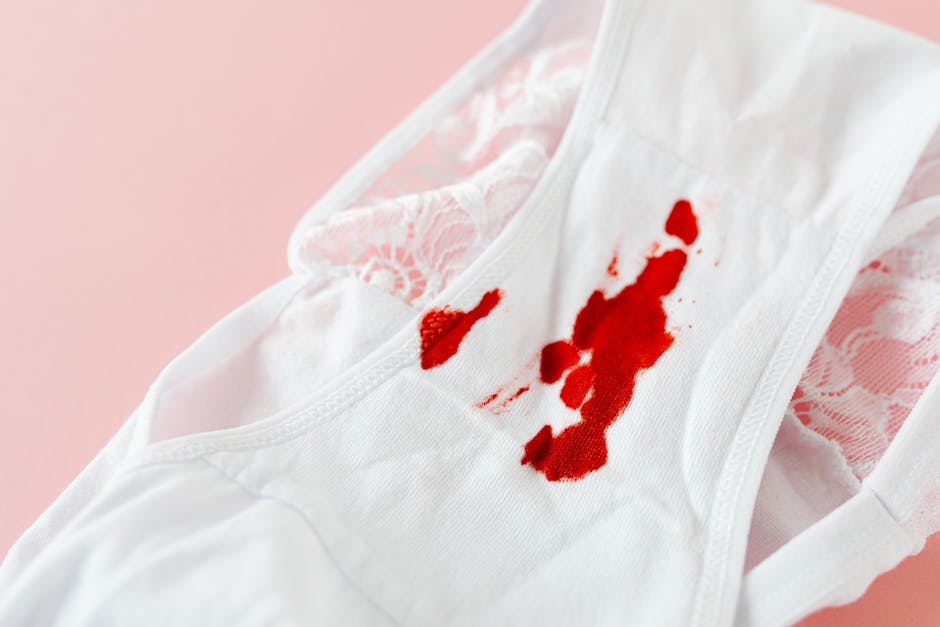
Emergency stain removal Islington common problems and fixes
Spills happen at the worst possible moment. One minute everything looks fine, the next there is red wine on the carpet, a coffee splash on the sofa, or a muddy footprint spreading across the hallway. If you live or work in Islington, emergency stain removal is usually about speed, calm decisions, and knowing what not to do. That sounds simple. In practice, it rarely is.
This guide explains Emergency stain removal Islington common problems and fixes in plain English, so you can act quickly, avoid making the damage worse, and decide when a professional clean is the smarter move. We will cover the stains people see most often, why they behave the way they do, step-by-step fixes, mistakes to avoid, and the practical details that matter in real homes, flats, and busy commercial spaces.
To be fair, a stain is never just a stain. It is time, fibre type, heat, moisture, and the wrong product all colliding at once. That is where a little know-how saves a lot of stress.
Table of Contents
- Why emergency stain removal matters in Islington
- How emergency stain removal works
- Key benefits and practical advantages
- Who this is for and when it makes sense
- Step-by-step guidance
- Expert tips for better results
- Common mistakes to avoid
- Tools, resources and recommendations
- Law, compliance, standards, and best practice
- Options, methods, and comparison table
- Case study or real-world example
- Practical checklist
- Conclusion
- Frequently asked questions
Why emergency stain removal matters in Islington
Emergency stain removal matters because the first few minutes often decide whether a mark lifts cleanly or settles into the fibre. In a place like Islington, where people often live in compact flats, shared buildings, period homes, and busy rental properties, stains can spread quickly and become awkward very fast. A coffee spill on a light hallway carpet in the morning rush is one thing. A red wine drop on a wool rug before guests arrive is another. Same general problem, very different outcome if you act late.
The common problems are usually the same: liquid sinking deep into carpet pile, colour transfer from food or drink, grease binding to fibres, and accidental smearing from over-wetting. Add foot traffic, and the stain gets pushed in harder. You will notice that many DIY failures are not caused by the stain itself, but by panic. People scrub, rub, or pour on a mystery cleaner and suddenly the patch is bigger than the original spill. A bit annoying, really.
Islington properties also tend to mix different surface types: wool carpets, synthetic carpets, area rugs, upholstery, stair runners, and hard flooring near kitchens or entrances. That means one cleaning method does not fit all. A fix that works on a synthetic office carpet may not be safe for a delicate natural-fibre rug. Understanding the difference is half the battle.
If you are weighing whether to handle it yourself or call for help, it helps to remember one thing: the goal is not just to remove the visible mark. The goal is to prevent fibre damage, dye migration, odour, and re-soiling later. That is the bit people miss.
How emergency stain removal works
Good stain removal follows a simple logic: identify the stain, stop it spreading, treat it in the right order, then rinse or extract what remains. The chemistry matters, but so does patience. In plain terms, you are trying to break the bond between the stain and the surface without damaging the surface itself.
Most emergency treatments follow four stages:
- Assess the spill - What is it? Food, drink, oil, ink, pet accident, or something unknown?
- Blot, do not scrub - Lift excess liquid gently with clean cloths or paper towels.
- Treat with the correct method - Water-based stains, oily stains, and coloured stains each need a different approach.
- Rinse and extract - Remove residues so the spot does not reappear later.
It sounds tidy on paper, and sometimes it is. But not always. A stain can be layered. For example, a dropped takeaway curry can include oil, spice, dairy, dye, and salt. That is why one quick spray-and-wipe rarely solves everything. In more stubborn cases, careful spot treatment followed by full cleaning gives a better result than trying to attack the mark directly for ten minutes straight.
For homes and small businesses in Islington, the practical reality is this: emergency stain removal is as much about damage control as it is about cleaning. You are buying time, protecting the fabric, and keeping the situation from becoming a permanent feature of the room. Nobody wants a permanent feature. Not that one.
When you want to understand the service side of things more broadly, it can help to read about the company behind the work on the about us page and the approach to health and safety. Those pages are useful if you want to know how a professional team handles risk, process, and customer care.
Key benefits and practical advantages
There are a few clear benefits to handling emergency stain removal properly, and they go beyond making the carpet look nice again. Let's be honest, appearance matters. But there is more going on under the surface.
- Better chance of full stain removal - Fast, correct treatment stops stains setting in.
- Less fibre damage - No aggressive scrubbing, no unnecessary bleaching, no worn patches.
- Reduced odour risk - Particularly important with food, milk, pet accidents, or drink spills.
- Lower chance of reappearing stains - Some liquids wick back up as they dry if residues remain.
- Protection for landlords and tenants - Helpful in rental properties, inspections, and move-outs.
- Less disruption - Quick action can save a room from needing deeper work later.
There is also a practical financial benefit. A small, fresh stain is usually simpler and cheaper to treat than an old one that has been walked over for two days. That is not guesswork. It is just how fibres behave. Once a spill dries, the residue can bind more tightly and become much harder to shift.
For busy households, the biggest advantage is peace of mind. You know what to do next, and you do not need to panic-shop for five different sprays at 8:30 in the evening. Been there, seen that.
If cost and booking clarity matter to you, the pricing and quotes information is worth checking so you know what to expect before making a decision.
Who this is for and when it makes sense
This topic is for anyone dealing with a fresh stain on a carpet, rug, sofa, mattress, or upholstered chair. In Islington that often means flat owners, tenants, landlords, letting agents, offices, cafes, and small shops with public-facing floors or seating. Emergencies do not just happen in family homes. They happen in hallways, reception areas, and stairwell landings too.
It makes sense to act fast when:
- the stain is fresh and still wet
- the item is valuable or difficult to replace
- the surface is wool, silk, velvet, or another delicate fabric
- the stain is dark, greasy, or strongly coloured
- there is a smell as well as a visible mark
- you have already tried something and it got worse
If the stain is tiny and on a robust synthetic surface, a careful DIY approach may be enough. But if the stain is spreading, the fabric is delicate, or the spill involves dye, oil, urine, bleach, or blood, it is usually better to pause and get advice. Why risk turning a manageable problem into a larger one?
There is also a trust issue with property management. If a tenant spills something major, or a landlord needs to restore a room quickly between lets, a quick and sensible response helps keep everyone calmer. It is not glamorous, but it is useful. Very useful.
Step-by-step guidance
Below is a straightforward emergency stain removal process you can use in the moment. It is not magic. It is simply the safest order to work in.
1. Stop the spill from spreading
Use a clean cloth, paper towel, or absorbent white towel to gently blot the area. Work from the outside of the stain towards the centre. That helps stop the edge from expanding. Do not press so hard that you drive the liquid deeper.
2. Identify the stain type
Ask yourself what the spill is. Water-based stains like tea, coffee, juice, and fizzy drinks behave differently from greasy stains like cooking oil or butter. Ink, makeup, and coloured sauces often need more careful treatment. If you do not know what the spill is, treat it as unknown and keep things mild.
3. Test a hidden spot
Before using any cleaner, test it on a hidden area first. That matters especially on wool, natural fibres, and dyed fabrics. A cleaner can remove the stain and still leave a pale ring or texture change behind. That is not a win.
4. Apply the lightest safe method first
Start with plain cool water or a very mild solution if appropriate. A lot of fresh stains do not need aggressive chemicals. For oily marks, a suitable degreasing approach may help, but do not flood the area. For protein-based messes, such as food or bodily fluids, gentle handling is usually better than heat or rubbing.
5. Blot again and repeat carefully
Use a fresh cloth each time you lift residue. If the cloth is still picking up colour, keep going patiently. If not, stop. More product is not always better. Sometimes it just makes more foam and more work later.
6. Rinse thoroughly
Leftover cleaning product can attract dirt later, so a proper rinse is important. On carpets and upholstery, this needs care because too much water can create watermarks, backing damage, or mould risk if the item dries slowly.
7. Dry properly
Airflow helps. Open windows if appropriate, use ventilation, and avoid walking over the damp patch if you can. On cooler Islington evenings, drying can take longer than people expect. That slow, slightly damp smell is your sign to be patient and let the fabric dry fully.
A quick fix guide for common stains
- Coffee or tea: Blot immediately, then treat gently before the stain sets.
- Red wine: Act fast, absorb the liquid, and avoid spreading it with cloth rubbing.
- Grease or oil: Use absorbent material first; do not add heat.
- Ink: Handle with care; too much liquid can smear it.
- Pet accidents: Remove residue quickly and dry thoroughly to reduce odour.
- Makeup: Treat as a mixed stain because pigments and oils are both involved.
Expert tips for better results
Over the years, one thing becomes obvious: the best stain removal results come from restraint. Not dramatic action. Not frantic scrubbing. Restraint. A little boring, maybe, but effective.
- Use white cloths so dyes from coloured towels do not transfer.
- Keep water cool unless a specialist method clearly calls for something else.
- Work slowly to avoid pushing the stain deeper into the pile.
- Do not mix products unless you are certain they are compatible.
- Lift residue in stages rather than trying to remove everything in one pass.
- Watch for wicking where a stain reappears as the surface dries.
One small but important tip: if a stain is on a stair carpet or near a doorway, there is often more dirt underneath than meets the eye. That means a localised fix might be enough for the visible mark, but the surrounding area can still look dull. In those cases, spot cleaning alone can leave a noticeable patch. A more even clean is often the better-looking result.
If you are checking broader service standards, it can also help to look at the company's insurance and safety information. That matters when someone is working on valuable flooring or furnishings in a lived-in property.
Common mistakes to avoid
Most stain damage gets worse because of a few very common mistakes. Some are understandable. People panic. Some are just habit. Either way, they can undo your progress fast.
- Scrubbing hard - This frays fibres and spreads the stain.
- Using too much water - Over-wetting can make the stain spread or soak into the backing.
- Applying bleach blindly - Bleach can permanently damage colour and fabric structure.
- Using coloured cloths - Hidden dye transfer is a real thing.
- Mixing cleaners - This can create fumes or unpredictable reactions.
- Waiting too long - Fresh stains are much easier than old ones.
- Ignoring the drying stage - A stain may look gone, then reappear if residues remain.
A common mistake in rental properties is trying to make a stain disappear before an inspection by using whatever is under the sink. That sometimes works, sure, but sometimes it leaves a cleaner-looking ring and a worse texture patch. If you have ever seen one square metre of carpet looking oddly shinier than the rest, you know exactly what I mean.
Also, do not assume every stain should be treated the same way because it "looks similar." Red sauce and red wine are not identical. Coffee and mud are not identical. Tricky little things.
Tools, resources and recommendations
You do not need a massive kit for emergency stain removal, but having a few sensible items nearby makes a real difference. Think practical, not fancy.
- white absorbent cloths or towels
- paper towels for initial blotting
- a small bowl of cool water
- a mild, fabric-safe cleaner for suitable surfaces
- a soft brush or clean sponge for controlled treatment
- a fan or good ventilation for drying
- a vacuum cleaner for dry debris before wet treatment
For residents and businesses who want professional support, useful next steps include checking service details, speaking to a cleaner about the stain type, and reviewing practical pages such as the contact page or pricing and quotes. That gives you a clearer idea of response, availability, and what might be involved.
You may also want to review the business's terms and conditions and payment and security information before booking, especially if you are arranging work for a managed property or workplace. It is just sensible admin, nothing more exciting than that.
For customers who care about broader values, the recycling and sustainability page may also be useful. Small thing, perhaps, but plenty of people in Islington do like to know how waste and materials are handled.
Law, compliance, standards, and best practice
Stain removal itself is not a heavily regulated activity in the way some specialist trades are, but good practice still matters. In homes, rented flats, and workplaces, the main concerns are safety, product handling, and avoiding damage to property or health.
For example, any cleaning work should be done with attention to ventilation, safe product use, and the condition of the surface being treated. That applies particularly where children, pets, or sensitive occupants are present. If cleaning chemicals are being used, it is wise to follow the product instructions and avoid mixing agents. That is standard common sense, but common sense is often what disappears during a spill.
In rented properties and managed buildings, clear communication matters too. If a stain is severe, a landlord, tenant, or facilities manager should agree on the approach before taking action, especially where the floor covering is expensive or there is a risk of a visible patch. If you are dealing with a professional service, it is reasonable to check how they manage safety and responsibility. Pages such as health and safety policy and insurance and safety are helpful for that reason.
If a cleaning provider offers a complaints process, that is also worth knowing about in advance. It does not mean you expect a problem. It means you appreciate a fair process if something goes sideways. Humans do make mistakes sometimes, after all.
Options, methods, and comparison table
Different stains call for different levels of response. Sometimes a simple blot and rinse is enough. Sometimes you need a specialist treatment. And sometimes the best option is to stop tinkering and get help before the stain sets permanently.
| Method | Best for | Pros | Watch outs |
|---|---|---|---|
| Plain blotting and cool water | Fresh water-based spills | Safe, simple, low risk | May not remove pigments or grease |
| Mild spot treatment | Tea, coffee, food marks, light stains | More effective than water alone | Needs testing; some fabrics dislike over-wetting |
| Absorbent treatment for oils | Grease, butter, oil, makeup | Helps lift residue before deeper cleaning | Can fail if heat or rubbing is used |
| Professional stain extraction | Old stains, mixed stains, delicate items | Better control and deeper cleaning | Requires correct assessment and equipment |
| Full carpet or upholstery clean | Large spill areas or dull-looking surrounds | Improves overall appearance and reduces patchiness | May take longer to dry |
The main decision is not "Can I clean this?" but "Can I clean this without causing more damage?" That is a better question, and honestly a calmer one.
Case study or real-world example
A realistic example: imagine a young professional in a top-floor Islington flat drops a takeaway coffee on a pale lounge carpet just before heading out. The spill is fresh, but the carpet is a wool blend and there is already a faint footpath through the room. The first instinct is to rub the stain quickly with a towel. That usually spreads the mark.
A better response would be to blot the liquid, test a hidden corner if any cleaner is used, and treat the patch with a mild method rather than saturating it. If the coffee contains milk, it is worth checking for any lingering odour as it dries. If the stain begins to reappear after an hour, that suggests residue has remained in the pile and a deeper extraction may be needed.
Now change the scenario slightly. Same flat, but this time it is red wine on a rug near the dining table during a small Saturday get-together. The immediate spill is manageable, but the rug is decorative and likely to show any ring left behind. In that case, the smartest move is often quick blotting followed by professional advice rather than repeated home treatments. The difference between a decent result and a messy halo can be tiny.
That sort of judgement call is exactly why emergency stain removal is not just about products. It is about reading the stain, the fabric, and the time pressure all at once. Easy to say after the fact, of course. Less easy when the glass has already tipped.
Practical checklist
Use this checklist when a spill happens. Keep it simple and do the steps in order.
- Blot immediately with a clean white cloth
- Do not rub or scrub hard
- Identify the stain if possible
- Test any product on a hidden area first
- Use the mildest safe method first
- Avoid soaking the fabric or carpet
- Repeat gently rather than aggressively
- Rinse out leftover cleaner
- Dry the area thoroughly
- Watch for the stain returning as it dries
- Seek professional help if the stain is old, large, or delicate
Expert summary: Fresh stains are usually fixable, but the right fix depends on what the stain is, what surface it is on, and how quickly you act. Gentle, targeted treatment almost always beats panic and over-cleaning.
Conclusion
Emergency stain removal in Islington is really about staying calm, acting early, and choosing the right fix for the right problem. The common issues are familiar enough: coffee, wine, grease, pet accidents, makeup, and muddy traffic marks. The difference between a quick recovery and a permanent blemish is often just a few careful minutes.
If you remember only three things, make them these: blot, do not scrub; use the mildest safe approach first; and stop before over-wetting turns one stain into three problems. That alone will save a lot of frustration.
When the stain is stubborn, on a delicate fabric, or already starting to spread, professional help can be the sensible route. No drama. Just the right call for the job.
Get a free quote today and see how much you can save.
And if you are dealing with a spill right now, take a breath first. A steady approach usually goes further than a frantic one, and that is true in homes, offices, and everywhere in between.
Frequently Asked Questions
What should I do first after a stain happens?
Blot the spill with a clean white cloth or paper towel straight away. Do not rub. Rubbing pushes the stain deeper and can spread it across a wider area.
Can I use hot water on every stain?
No. Hot water can set some stains, especially protein-based ones and certain dyes. Cool water is usually the safer starting point unless you know the surface and stain type well.
Why does a stain sometimes come back after cleaning?
That is often caused by residue left below the surface. As the fabric dries, liquid can wick up from the backing and make the mark visible again. Proper rinsing and extraction reduce that risk.
Is it safe to scrub a carpet stain with a brush?
Usually not. Aggressive brushing can rough up fibres, damage the pile, and spread the stain. A soft, careful touch is better, especially on wool or delicate rugs.
What are the hardest common stains to remove?
Ink, red wine, grease, makeup, and older food or drink stains can be difficult, especially if they have dried. Delicate or light-coloured fabrics also make the job harder because any residue shows more clearly.
How do I know if a stain needs professional help?
If the stain is large, old, greasy, coloured, smelly, or on a delicate surface, professional help is often the safer option. If you are unsure, it is better to ask early than to keep experimenting.
Can emergency stain removal work on sofas as well as carpets?
Yes, but upholstery needs extra care because the fabric and cushion filling can hold moisture differently. Over-wetting a sofa can create drying problems and sometimes a visible water ring.
Will stain removal damage my carpet?
It can, if the wrong product or method is used. That is why testing, gentle treatment, and proper drying matter. A careful clean is much less risky than a harsh one.
How long should I wait before walking on a treated area?
Only once it is properly dry. Walking on damp fibres can flatten them and push in dirt. If possible, keep the area clear and let airflow do its job.
What if I do not know what the stain is?
Treat it as an unknown stain and start with the mildest safe method. Avoid strong chemicals until you know more, because the wrong cleaner can make the problem much worse.
Are emergency stain removal services useful for landlords and letting agents?
Yes. They can help restore a property quickly between tenancies or after an accidental spill, especially where speed and presentable condition matter before inspections or viewings.
How can I book or ask a question before deciding?
You can use the contact page to ask about the stain, the surface type, and what the next step should be. If you need more background on the business itself, the about us page is a good place to start.