Islington spring cleaning 2026 checklist for flats
Spring cleaning in a flat is a different beast from cleaning a house. Space is tighter, storage is limited, and if you live in a converted Islington terrace or a modern apartment block, every dusty corner seems to multiply overnight. The good news? A smart Islington spring cleaning 2026 checklist for flats can make the whole job feel manageable instead of overwhelming.
This guide is built for real flats, real schedules, and real life. Whether you are prepping for a brighter March reset, trying to shake off winter grime, or getting your place guest-ready before Easter, you will find a practical room-by-room plan, sensible priorities, and a few expert shortcuts that save time. And yes, we will keep it grounded. No perfection theatre.
If you want a cleaner, fresher flat without spending your entire weekend on your knees, you are in the right place.
Table of Contents
- Why this checklist matters for Islington flats
- How the spring cleaning process works
- Key benefits and practical advantages
- Who this is for and when it makes sense
- Step-by-step guidance
- Expert tips for better results
- Common mistakes to avoid
- Tools, resources and recommendations
- Law, compliance, standards and best practice
- Options, methods and comparison table
- Case study or real-world example
- Practical checklist
- Conclusion
- Frequently asked questions
Why Islington spring cleaning 2026 checklist for flats Matters
Flat living in Islington comes with its own rhythm. You may have compact rooms, older sash windows, shared hallways, limited ventilation, or a landlord and letting agent who expect the place to stay in decent order. That mix makes seasonal cleaning more than just a nice idea. It becomes part of keeping the flat healthy, presentable, and easier to live in.
Spring is usually the moment people notice what winter has left behind. Mud gets tracked in from the street, radiators collect dust, the air can feel stale, and soft furnishings hold onto everyday odours. In a smaller space, that build-up is much more obvious. A proper checklist helps you tackle the grime in the right order instead of bouncing from one task to another and wondering why nothing feels finished.
It also helps you avoid the usual flat-cleaning trap: spending ages polishing visible surfaces while missing the stuff that actually makes the biggest difference, like skirting boards, behind furniture, sofa arms, and the edges of carpets. Let's face it, most people do not notice the top of the fridge. They notice the smell, the dust, and the tired look of the room.
If you are a tenant, spring cleaning can also help you stay on top of general upkeep between inspections. If you are an owner, it protects finishes and fabrics from slow, sneaky wear. Either way, a checklist gives you structure, which is half the battle.
How Islington spring cleaning 2026 checklist for flats Works
The best spring cleaning approach is simple: work from top to bottom, back to front, and dry to wet. That means dusting high areas first, then moving down to surfaces, soft furnishings, and floors. If you clean the carpet before the shelves, you will just drop dust back onto the floor. Annoying, but common.
For flats, it helps to clean in zones rather than trying to do the entire place at once. One room, one pass. Or, if your flat is tiny, split it into categories: dusting, soft furnishings, kitchen, bathroom, floors, and final detail work. The goal is momentum without chaos.
A good checklist also separates everyday cleaning from deeper seasonal tasks. Wiping counters is not the same as moving the sofa to vacuum underneath it. You need both, but not all at once. The 2026 version of a useful checklist is one that recognises modern flat life: less time, more clutter, better results when you are selective.
In practical terms, the process usually looks like this:
- Declutter and remove obvious rubbish.
- Dust and wipe all high-touch, high-dust areas.
- Deep-clean the kitchen and bathroom.
- Freshen soft furnishings and fabrics.
- Vacuum and mop floors properly.
- Finish with windows, mirrors, and small details.
That sequence matters because it prevents rework. Rework is the silent time thief.
Key Benefits and Practical Advantages
A well-planned spring clean does more than make the flat look good for a day or two. Done properly, it changes how the whole place feels.
- Better air quality: Removing dust from carpets, curtains, upholstery, and vents can make a flat feel fresher, especially after a long winter.
- Less visual clutter: Clean surfaces and clear counters instantly make compact rooms feel larger.
- Longer life for fabrics and finishes: Regular care helps carpets, sofas, rugs, and curtains age more slowly.
- Easier weekly cleaning: Once deep dirt is dealt with, maintenance becomes lighter and faster.
- Better first impression: Helpful if you are hosting, moving out, letting the flat, or simply wanting the place to feel cared for.
There is also a mental benefit people often underestimate. A clean flat can feel oddly lighter, almost quieter. You walk in, put the kettle on, and the room just behaves itself. That sounds a bit sentimental, but it is true.
For many Islington residents, especially those in busy shared households or smaller flats, that sense of order makes a huge difference to everyday comfort.
Who This Is For and When It Makes Sense
This checklist is for anyone living in a flat who wants a structured spring reset without turning it into a full-scale renovation project. It is particularly useful if you are:
- a tenant preparing for a routine inspection or simply keeping on top of the flat;
- an owner who wants to refresh carpets, upholstery, and hard-to-reach areas;
- a busy professional who needs a realistic weekend plan;
- a family in a smaller home where mess builds up quickly;
- someone moving out or getting ready for visitors;
- someone who has pets, where hair and odours tend to settle into fabrics.
Timing-wise, spring is the obvious moment, but the same framework works any time the flat starts feeling stale. You might notice it after a wet winter, during allergy season, or after a run of guests and takeaways. Truth be told, most flats do not need a heroic annual clean. They need one good reset and a smaller routine after that.
If your flat has a mix of hard floors and carpets, or upholstered furniture that sees daily use, seasonal deep cleaning can be especially helpful. Soft surfaces hold on to dust, crumbs, and smells in ways people often underestimate until they move a cushion and get a surprise. Not a pleasant one.
Step-by-Step Guidance
Below is a practical step-by-step plan you can follow over one day or split across a weekend. Keep it simple. A little structure goes a long way.
1. Start with decluttering
Before you clean, remove the stuff that gets in the way. Put away shoes, bags, spare blankets, laundry, empty packaging, and everything else that lives on surfaces when life gets busy. Use a bin bag, a basket, and one box for items that belong in another room. If you are in a small flat, clutter creates the illusion of dirt even when the place is not too bad.
2. Open windows and improve airflow
Air out the flat before and during cleaning if weather allows. Even a short burst helps clear stale air and speeds up drying. In older flats, it also reduces that slightly damp, closed-up feeling that can hang around after winter.
3. Dust from high to low
Work from light fittings, shelves, picture frames, and tops of cupboards down to skirting boards and lower surfaces. Use a microfibre cloth or duster that actually traps dust instead of spreading it around. If you have blinds, do those too. They collect dust like they are being paid for it.
4. Deep-clean the kitchen
The kitchen tends to need the most attention. Focus on:
- cupboard fronts and handles;
- backsplashes and tiles;
- hob, extractor area, and splash zones;
- inside the microwave;
- fridge shelves and door seals;
- bins and recycling areas.
Move small appliances so you can clean underneath them. Crumbs have a way of assembling in places nobody checks until spring.
5. Tackle the bathroom properly
Flat bathrooms usually suffer from moisture, limescale, and build-up around taps, shower screens, and grouting. Use a limescale remover suitable for the surface and give extra attention to:
- taps and shower heads;
- sealant edges;
- around the toilet base;
- mirror edges;
- extractor fan covers if accessible;
- behind the toilet, which is somehow always neglected.
If you have a small bathroom with poor ventilation, this is the room where a careful clean really changes the feel of the whole flat.
6. Refresh soft furnishings
This is the section people skip, and it is often the one that makes the biggest visible difference. Vacuum sofas, armchairs, cushions, curtains, and rugs where appropriate. If fabrics are stained, odorous, or looking tired, it may be worth arranging specialist help for sofa cleaning, curtain cleaning, or rug cleaning. For a full-fibre refresh, upholstery cleaning can be a sensible next step.
7. Clean carpets and hard floors
Vacuum carpets slowly and in overlapping passes. In flats, especially those with pets or lots of foot traffic, a deeper clean may be worth considering when standard vacuuming no longer lifts the flattened look. If your carpets have winter build-up or visible traffic marks, carpet cleaning or steam carpet cleaning can help restore freshness. On hard floors, remove grit first, then mop with the right product for the surface.
8. Deal with stains early
Do not leave stains until later and hope they vanish through moral pressure. They will not. Blot, do not rub, and check the fabric or surface care instructions first. If you are dealing with older marks, drink spills, or stubborn patches, a targeted stain removal approach usually works better than improvising with random household products.
9. Finish with glass, mirrors, and detail work
Now you are into the satisfying bits. Clean mirrors, wipe window ledges, dust switches, and polish taps or handles if needed. These small jobs are not glamorous, but they make the flat feel properly done. That last 10% matters more than most people expect.
Expert Tips for Better Results
After enough spring cleans, a few patterns become obvious.
First: work in short blocks. Twenty to forty minutes per zone is usually more effective than trying to marathon-clean for four hours and then losing the will to live.
Second: use the right cloth for the right job. Microfibre for dust, a separate cloth for kitchen grease, and another for the bathroom. Mixing them just spreads yesterday around.
Third: lift furniture where possible, even slightly. Dust collects under beds, sofas, and side tables. You do not need to move every item across the room, but a small shift often reveals a surprisingly honest layer of reality.
Fourth: do not over-wet carpets or upholstery. In flats, especially with limited ventilation, heavy moisture can be awkward to dry and may leave a lingering smell. Dry extraction or controlled cleaning is usually safer for most soft furnishings.
Fifth: if you are cleaning near shared walls or floors, keep noise and fumes in mind. A flat is not a detached house. The people next door may hear your vacuum before you do.
One more thing: if you are planning any deep cleaning alongside maintenance or periodic work, check the relevant service details, insurance information, and payment terms first. It saves awkwardness later and keeps expectations clear. The practical stuff. Not the exciting stuff, admittedly.
Common Mistakes to Avoid
Spring cleaning can go sideways in a few predictable ways. The good news is they are easy to avoid once you know them.
- Cleaning in the wrong order: If you start with floors before dusting shelves, you will create extra work.
- Using one cloth for everything: Kitchen grease, bathroom grime, and dust should not all live on the same rag.
- Trying to do the whole flat in one heroic burst: That usually ends in exhaustion and half-finished rooms.
- Ignoring soft surfaces: Curtains, sofas, mattresses, and rugs quietly hold dirt and odour.
- Overloading on product: More cleaner does not automatically mean better results. Sometimes it just means sticky residue.
- Forgetting ventilation: A flat with closed windows and damp cleaning methods can feel stuffy for days.
A surprisingly common one is cleaning the visible centre of a room and forgetting the edges. Skirting boards, behind the loo, under the radiator, under the bed. Those awkward little places are usually why the flat never feels fully fresh.
And yes, everyone misses at least one thing. Usually the top of a door frame. It happens.
Tools, Resources and Recommendations
You do not need a van full of gear. A compact kit is enough if it is chosen well.
| Task | Helpful tools | Best practice |
|---|---|---|
| Dusting | Microfibre cloths, extendable duster | Work top to bottom to avoid re-dusting cleaned areas |
| Kitchen cleaning | Degreaser, sponge, non-scratch pad | Let product sit briefly on grease before wiping |
| Bathroom cleaning | Limescale remover, soft brush, cloth | Test on a small area first if surfaces are delicate |
| Floor care | Vacuum, mop, suitable floor cleaner | Remove grit before mopping to avoid scratching |
| Fabric care | Upholstery brush, fabric-safe cleaner | Blot stains and avoid soaking the material |
| Heavy-duty refresh | Specialist cleaning equipment | Use controlled methods for carpets, sofas, rugs, or mattresses |
If your flat has carpets that need more than a vacuum, a proper deep clean can be worth budgeting for. You can review options and service details through the site's pricing and quotes information, and if you are comparing care for different soft surfaces, services like mattress cleaning and pet stain and odour removal may be relevant too.
For households trying to reduce waste, it is also sensible to think about reusable cloths, refillable products, and disposal of packaging. If sustainability matters to you, the page on recycling and sustainability is worth a look as part of your wider cleaning routine.
Law, Compliance, Standards and Best Practice
For a typical flat spring clean, there is no special legal process to follow. Still, there are a few UK best-practice points worth keeping in mind.
If you live in rented accommodation, it is sensible to check your tenancy agreement before using stronger chemicals or moving anything that could cause damage. Surface finishes, carpets, and appliances are often the parts that create avoidable disputes at the end of a tenancy, especially when cleaning is rushed or overly aggressive.
Where electrical appliances are involved, unplug before cleaning around them. Keep liquids away from plugs, sockets, and chargers. That sounds obvious, but in a small flat with a kettle, toaster, and phone charger all fighting for the same counter space, it can get a bit cramped.
Also, if you bring in a professional cleaner, you should expect clear communication about access, safety, payment terms, and service limits. Reputable businesses normally set these things out clearly, which is one reason pages such as health and safety policy, insurance and safety, and terms and conditions matter. It is not glamorous reading, but it is the kind of detail that protects everyone.
Privacy and payment security matter too, especially when you are booking anything online. For that reason, it is reasonable to review the site's payment and security information and privacy policy before confirming a booking.
Best practice, in plain English, means doing the job safely, documenting any concerns, and not cutting corners on surfaces you do not fully understand. If in doubt, patch-test first.
Options, Methods, and Comparison Table
Different flats need different approaches. A studio in Angel, for example, is not going to need the same strategy as a larger split-level flat with stairs, two bedrooms, and a sofa that has seen every season since lockdown. Here is a simple comparison to help you choose the right level of effort.
| Approach | Best for | Pros | Limitations |
|---|---|---|---|
| Basic spring refresh | Lightly used flats, tidy households | Quick, inexpensive, easy to repeat | May not shift embedded dirt or odours |
| Room-by-room deep clean | Most flats, especially busy homes | Balanced, thorough, realistic | Takes longer and needs a proper plan |
| Fabric-focused deep clean | Flats with carpets, rugs, sofas, pets | Improves freshness and appearance | Needs care with drying and product choice |
| Full specialist refresh | Move-outs, post-winter resets, heavily used homes | Strongest visible result | Higher cost and usually more coordination |
If you are unsure where to start, the room-by-room deep clean is usually the most sensible option. It is thorough enough to make a noticeable difference, but not so big that it becomes a weekend-destroyer.
For flats with both carpets and upholstered furniture, a combined approach often works best: handle the surfaces yourself, then call in specialist support for the soft furnishings that need more than a quick once-over. That is often the sweet spot.
Case Study or Real-World Example
A fairly typical example: a two-bed Islington flat occupied by a couple, a dog, and a lot of work-from-home hours. By late February, the place looks fine at first glance, but the sofa smells faintly lived-in, the hallway carpet has a darker track line, and the bathroom mirror seems permanently spotted no matter how often it is wiped.
They start with decluttering, then clean the kitchen and bathroom in one evening. The next day, they vacuum under the bed, treat a few stubborn carpet marks, and sort the soft furnishings. A specialist carpet and upholstery refresh is booked for the areas that need more than home cleaning can provide. Nothing dramatic. Just a sensible sequence.
By the end, the flat feels lighter, brighter, and a bit more spacious. The dog still sheds, of course. Some truths cannot be cleaned away. But the room no longer carries that winter heaviness, and keeping it tidy in the weeks after is much easier.
That is usually what a good spring clean does best: it resets the home so maintenance becomes calmer. Less effort later. More breathing room now.
Practical Checklist
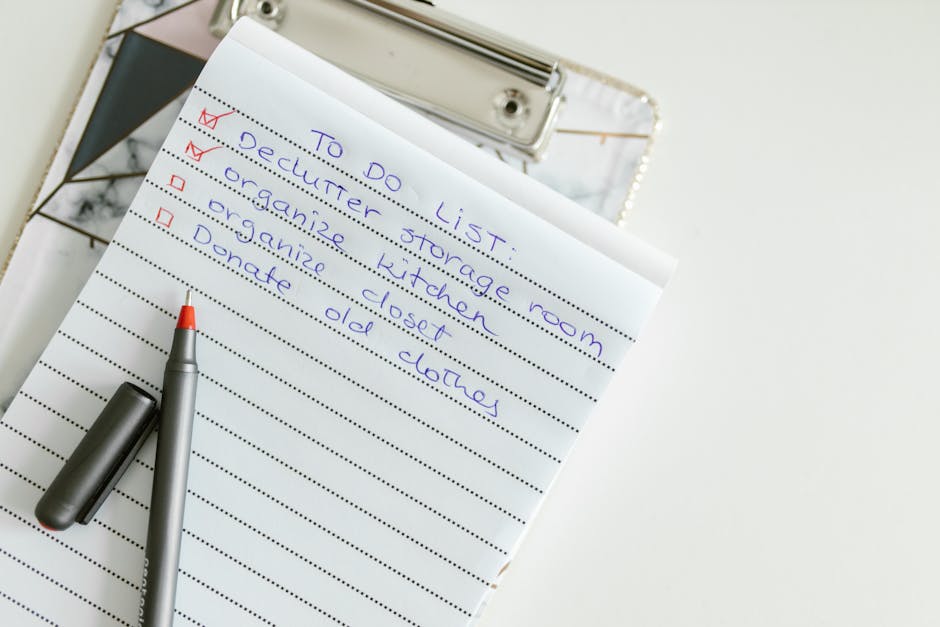
Use this checklist as your working guide. Tick things off as you go. It keeps the job focused and stops you from wandering into random cupboards halfway through.
- Declutter surfaces, floors, and entryways
- Open windows for ventilation where possible
- Dust light fittings, shelves, frames, and skirting boards
- Wipe switches, handles, and other high-touch points
- Deep-clean kitchen surfaces, cupboards, and appliances
- Clean bathroom fixtures, mirrors, sealant, and hidden edges
- Vacuum carpets slowly and thoroughly
- Clean or refresh rugs, curtains, and cushions
- Consider carpet cleaning for dull or heavily used flooring
- Consider sofa cleaning for tired upholstery
- Use stain removal methods for marks before they set in
- Mop hard floors with the right product
- Clean mirrors, windowsills, and glass surfaces
- Take out rubbish and recycling
- Do a final smell-check and visual sweep room by room
Expert summary: If you only have time for five things, do the kitchen, bathroom, floors, soft furnishings, and hidden dust areas. That combination gives the biggest visible and sensory return in a flat. It is not fancy, but it works.
If you are planning to book help rather than do everything yourself, the safest next step is to review the relevant service pages and then decide which tasks are best left to a specialist. That can be the difference between a tiring clean and a satisfying one.
Get a free quote today and see how much you can save.
Conclusion
A thoughtful spring clean is one of the simplest ways to make a flat feel better without changing anything structural. In a place like Islington, where flats can be compact, busy, and beautifully lived-in all at once, that matters more than people admit. A good checklist gives you order, saves time, and helps you focus on the jobs that actually shift how the home feels.
The real trick is not perfection. It is sequence, consistency, and a bit of judgement. Clean the right things in the right order, keep the process practical, and do not be afraid to bring in specialist help for carpets, sofas, rugs, or mattresses when a standard vacuum and cloth will not cut it.
Do that, and your flat will feel calmer, fresher, and much easier to live in. Spring cleaning should leave you feeling lighter, not defeated. That is the aim, really.
Frequently Asked Questions
What should be included in an Islington spring cleaning checklist for flats?
At minimum, include decluttering, dusting, kitchen and bathroom deep cleaning, carpet and floor care, and soft-furnishing refreshes. In flats, it is also worth checking skirting boards, behind furniture, and areas around radiators where dust builds up quickly.
How long does spring cleaning a flat usually take?
It depends on the flat size and how deep you are going. A small studio may take a few hours, while a larger two-bed flat can take a full day or more. If you are also tackling carpets, upholstery, or stains, plan extra time or split the work across two days.
What is the best order for spring cleaning a flat?
Start with decluttering, then dust from top to bottom, clean the kitchen and bathroom, refresh soft furnishings, and finish with floors and detail work. That order avoids cleaning the same area twice, which is more common than people think.
Do I need professional help for spring cleaning?
Not always. A lot of flats can be refreshed well with a solid DIY clean. Professional help becomes more useful when carpets are heavily used, upholstery needs attention, odours are lingering, or you simply do not have time to do the deep work properly.
Is steam cleaning safe for flat carpets?
It can be, if the carpet type and condition are suitable and the drying time is managed properly. In a flat with limited airflow, over-wetting is the main risk. If you are unsure, a careful specialist assessment is usually the better route.
How can I make a small flat look cleaner quickly?
Clear visible clutter, wipe flat surfaces, vacuum edges and corners, clean mirrors, and refresh soft furnishings. A small flat often looks better almost immediately when the floor is clear and the soft items are fresh.
What stains should be treated first?
Fresh spills, food marks, pet accidents, and anything on light-coloured fabric should be tackled early. The longer a stain sits, the more likely it is to set. Blot first, avoid rubbing, and use a method appropriate for the material.
How often should carpets in a flat be deep cleaned?
That depends on foot traffic, pets, and everyday use. Some flats benefit from an annual deep clean, while busier homes may need it more often. If the carpet looks flat, feels dull, or holds odours, that is usually a clue.
What soft furnishings are easiest to forget during spring cleaning?
Curtains, cushions, rugs, sofa arms, and mattress surfaces are the usual suspects. People often clean what they can see at eye level and miss the items that absorb dust and odours over time.
How do I avoid making the flat smell damp after cleaning?
Use less water, ventilate the room where possible, and avoid soaking fabrics or carpets. Drying is just as important as cleaning. In a compact flat, poor airflow can make the place feel stuffy for longer than you would like.
What should tenants in Islington be careful about?
Tenants should be careful not to damage surfaces, paintwork, or flooring when using products or moving furniture. It is sensible to check the tenancy agreement and keep things tidy enough to avoid avoidable disputes at the end of the tenancy.
Where can I get help if my flat needs more than a basic clean?
If the job goes beyond routine cleaning, start by looking at the relevant service information for carpets, upholstery, rugs, mattresses, stains, and pet-related issues. That helps you decide whether to handle it yourself or bring in specialist support.