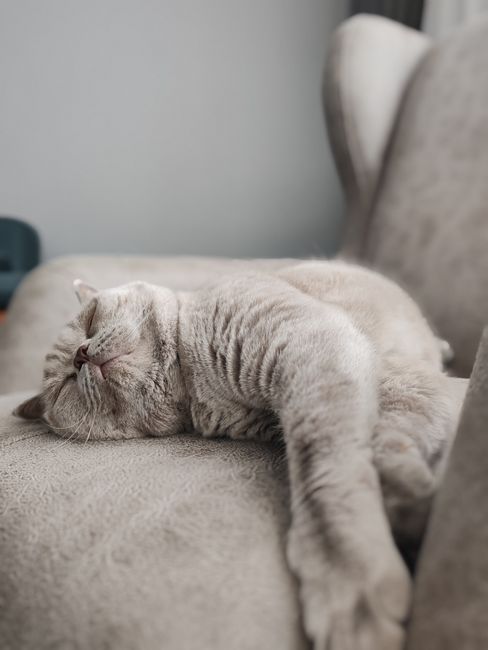
Upholstery cleaning Canonbury safe pet friendly methods
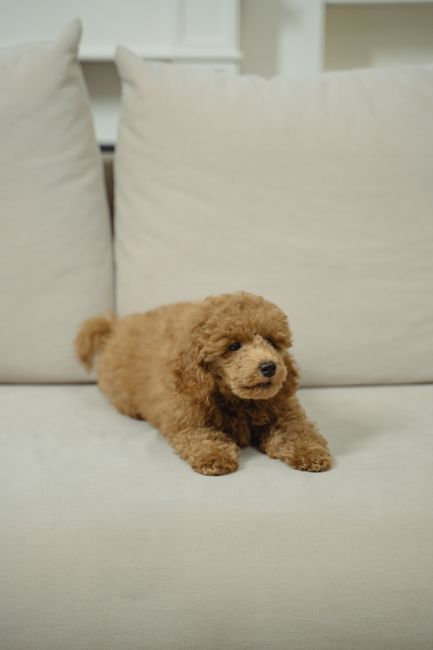
If you share your Canonbury home with a dog, cat, or the occasional muddy-pawed visitor, upholstery cleaning quickly becomes more than a tidy-up job. It is about keeping sofas, armchairs, cushions, and dining chairs fresh without leaving behind harsh residues or strong smells that can unsettle pets. Done well, upholstery cleaning Canonbury safe pet friendly methods can lift stains, reduce odours, and protect fabrics while still being considerate to the animals who actually live there. Sounds simple enough. In real life, though, it takes the right products, the right drying approach, and a bit of judgment.
This guide breaks down what safe pet friendly upholstery cleaning looks like in practice, how it works, where people go wrong, and what to expect if you are comparing professional options in Canonbury or nearby. You will also find a step-by-step process, a comparison table, a practical checklist, and answers to the questions people usually ask when they want a clean home without upsetting the household pets.
Why Upholstery cleaning Canonbury safe pet friendly methods Matters
Pet-friendly cleaning matters because upholstery sits right at the centre of daily life. It is where pets nap, where fur collects, where paws occasionally land after a wet walk, and where smells can settle in quietly over time. In a busy Canonbury flat or family home, that adds up fast. One day the sofa smells fine, and the next it has that faint mix of damp fabric, pet dander, and last week's snack crumbs. Not exactly glamorous, but very common.
The challenge is that some cleaning methods solve one problem and create another. Strong chemical products may remove a stain, yet leave a scent or residue that pets dislike. Over-wetting can slow drying and encourage odour. Aggressive scrubbing can rough up fibres and spread the stain deeper. Safe pet friendly methods are about balance: effective enough to clean properly, gentle enough to be sensible around animals, and controlled enough to avoid a damp-house smell that hangs around by Tuesday morning.
For households with pets, the goal is not just a visibly cleaner sofa. It is a cleaner, safer, more comfortable living space. If you have a cat who likes the same corner every evening, or a dog that treats the armchair like a second bed, you need a method that considers the fabric, the room, and the animal behaviour around it. That is the difference between a quick wipe-down and a proper upholstery clean.
It also matters from a practical perspective. Pet stains left too long can become harder to treat, especially on absorbent fabrics. Odour can soak into the padding underneath the surface. So even if the fabric looks okay, the underlying issue may not be. A careful professional approach usually starts with inspection, not spraying and hoping for the best. To be fair, that small pause at the start saves a lot of trouble later.
Table of Contents
- Why Upholstery cleaning Canonbury safe pet friendly methods Matters
- How Upholstery cleaning Canonbury safe pet friendly methods Works
- Key Benefits and Practical Advantages
- Who This Is For and When It Makes Sense
- Step-by-Step Guidance
- Expert Tips for Better Results
- Common Mistakes to Avoid
- Tools, Resources and Recommendations
- Law, Compliance, Standards, or Best Practice
- Options, Methods, or Comparison Table
- Case Study or Real-World Example
- Practical Checklist
- Conclusion
- Frequently Asked Questions
How Upholstery cleaning Canonbury safe pet friendly methods Works
Pet friendly upholstery cleaning is not a single product or one magic trick. It is a process. A good one begins with identifying the fabric type, the type of soiling, and how much moisture the upholstery can safely handle. Cotton, wool blends, synthetics, velvet, microfibre, and linen all behave differently. What works on one sofa may be a terrible idea on another. Annoying, but true.
In practice, safe pet friendly methods usually follow a careful sequence:
- Inspection - The cleaner checks fibre type, colour fastness, seams, and existing damage.
- Dry soil removal - Loose dust, hair, and debris are lifted before any liquid treatment.
- Spot testing - A small hidden area is tested to make sure the chosen solution is suitable.
- Targeted pre-treatment - Pet stains and odours receive focused attention rather than a blanket soak.
- Controlled cleaning - Low-moisture or carefully applied extraction methods are used where appropriate.
- Odour management - Enzyme-based or fabric-safe deodorising approaches may be used for pet-related smells.
- Fast drying support - Airflow is encouraged so pets are not tempted by damp fabric or lingering smells.
The phrase pet friendly does not mean "weak" or "water-only." It means the chosen cleaning system is selected with the home environment in mind. For many households, that means avoiding heavy perfumes, using fabric-safe solutions, and making sure no sticky residue is left behind that could attract more dirt or interest from a curious nose. Pets investigate everything. Everything.
In a professional setting, one of the most useful tools is a thoughtful pre-inspection. The cleaner may spot a stain that looks like surface dirt but is actually a combination of body oils, saliva, and old food residue. That distinction matters because each type of mark may need a slightly different treatment. If the approach is too blunt, the stain may fade at the edges but remain in the fibre. If it is too mild, nothing changes. The sweet spot is careful, methodical work.
Key Benefits and Practical Advantages
Safe pet friendly upholstery cleaning offers benefits that are easy to see and a few you only notice later. The immediate win is visual: the sofa looks brighter, cleaner, and less tired. But the bigger value is in the texture, the smell, and the overall feel of the room. A properly cleaned armchair feels fresher when you sit down. The fabric doesn't cling to odour. And that slightly sticky dust film that some people stop noticing? Gone, ideally.
- Reduces pet odours without masking them with overpowering fragrance.
- Helps remove stains from urine, muddy paws, saliva, food, and general grime.
- Supports better indoor comfort for families and pets.
- Can extend upholstery life by reducing embedded dirt and abrasive particles.
- Improves everyday hygiene in a home where furniture is used constantly.
- Minimises the risk of fabric damage when the right method is matched to the material.
There is also a reassurance factor. If your pet sleeps on the sofa, you probably want to know that the cleaning method is not leaving behind something irritating on the fabric. That can mean less worry about skin contact, sniffing, licking, or just the general awkwardness of a dog refusing to sit on what you've just had cleaned. Yes, that happens.
Another practical advantage is flexibility. Pet friendly upholstery cleaning can be used on everyday family seating, nursery furniture, guest-room chairs, and even occasional-use pieces that only seem to attract trouble at parties. In homes with mixed fabric types, a skilled cleaner can adjust the method to each item rather than treating the whole room the same way. That kind of judgment is underrated.
Who This Is For and When It Makes Sense
This service makes sense for a wide range of Canonbury households. If you have one small cat and a single velvet chair, you may only need it once in a while. If you have two dogs, a textured corner sofa, and a rug that seems to have become part of the family, you may need it far more often. No judgement. Homes are lived in.
It is especially useful if you are dealing with any of the following:
- Pet urine or scent marks on seating
- Fur build-up embedded in the weave
- Stale food smells after pets have settled on the furniture
- Muddy paw prints from wet weather
- General dullness from everyday use
- Guests, allergies, or a special occasion prompting a deeper clean
You may also want pet safe upholstery cleaning if you have foster animals, rescue pets, or an older pet that spends a lot of time on soft furnishings. A cleaning routine that is gentle and predictable can help keep the home easier to manage. And if you are moving out, moving in, or refreshing a rented property, it can be a sensible reset before furniture is used heavily again.
Professional help is often worth considering when the stain has had time to settle, when you are unsure about the fabric label, or when the smell seems to return after the room dries. That last one is a clue. If the odour appears to come back once the surface is dry, it may be deeper in the padding. That is the point where surface cleaning alone starts to lose the argument.
Step-by-Step Guidance
If you want to understand how to approach pet friendly upholstery cleaning properly, start with the fabric and work outward. Here is the most sensible order.
1. Check the care label first
Before anything else, check whether the furniture has a cleaning code or manufacturer guidance. This tells you whether water-based, solvent-based, or specialist treatment is appropriate. If you are not sure what the label means, do not guess wildly. That is how a decent sofa becomes a cautionary tale.
2. Remove loose hair and debris
Vacuum the upholstery thoroughly, including seams, creases, under cushions, and along piping. Use an upholstery attachment if possible. If there is a lot of fur, a lint tool or rubber brush can help lift it before cleaning solution is applied. This step matters more than people think. If loose dirt stays put, it can smear once moisture is introduced.
3. Identify the stain type
Pet stains are not all the same. Urine, saliva, food, mud, and body oils need different handling. A neutral-looking patch may still have an odour problem, so use your nose as well as your eyes. Honestly, sometimes the smell is the giveaway before the stain is.
4. Spot test a hidden area
Always test a small hidden section to check colour fastness and fibre reaction. This is non-negotiable on delicate or dyed fabrics. A pet safe product is still a product, and fabrics can be picky.
5. Apply targeted pre-treatment
Use the minimum effective amount of solution needed for the stain. For pet odours, enzyme-based or fabric-safe odour treatments are often more appropriate than heavy perfume sprays. The aim is to neutralise the issue, not cover it with something that smells like a florist's van.
6. Clean with controlled moisture
Low-moisture cleaning or carefully managed extraction is often the best route for upholstery. The cleaner should avoid soaking the filling underneath unless the fabric and structure clearly allow it. Too much moisture can slow drying and create a new smell, which is not the goal at all.
7. Rinse or neutralise where needed
Some cleaning solutions should be removed or balanced so residue does not remain in the fibres. Residue can attract dirt later, and in a pet home that means you are back to square one rather quickly.
8. Dry thoroughly
Airflow is important. Open windows if appropriate, use fans if available, and keep pets off the furniture until it is fully dry. This is one of those boring-sounding steps that makes a big difference. Skipping drying support is a bit like washing dishes and then putting them away wet. Technically possible, practically odd.
Expert Tips for Better Results
One of the best things you can do is treat prevention as part of cleaning. A well-maintained sofa stays cleaner between professional visits and is easier to refresh when needed. That means simple habits, not perfection. Life's too short for white-glove standards in a house with a Labrador.
- Blot, do not rub - Rubbing pushes liquid deeper into the fabric and can distort the pile.
- Act quickly on fresh accidents - The sooner you address pet stains, the easier they are to manage.
- Use plain airflow for drying - Strong heat is not always your friend, especially on delicate fabrics.
- Choose fragrance-light or fragrance-free products if pets are sensitive to smell.
- Lift cushions and clean underneath because hair and crumbs collect there fast.
- Keep a small pet towel near entrances so wet paws do not wander straight onto the sofa.
- Schedule deeper cleans before busy seasons such as holidays, house guests, or the wettest months.
Here is a little rule of thumb: if a product smells so strong that you can tell what it is from the hallway, it may be doing too much. A clean home should smell like a clean home, not like an air freshener shop. Subtle is often better. Also, if your pet gives the fabric a suspicious look afterwards, you may have overdone the perfume.
For delicate upholstery, the most valuable tip is restraint. Use less liquid. Use less pressure. Let the chemistry do the work. That approach may sound less dramatic, but it usually gives the better result. In our experience, calm and careful tends to beat frantic and wet.
Common Mistakes to Avoid
Most upholstery problems come from rushing or using the wrong method for the fabric. A lot of damage is accidental, which is why a little caution goes a long way.
- Using too much water - This can lead to slow drying, water rings, or trapped odour.
- Applying household cleaners blindly - Some products are too harsh for upholstery and can lighten or damage fibres.
- Ignoring the care label - It is there for a reason, even if it looks faint and unhelpful.
- Scrubbing pet stains aggressively - That often spreads the stain and roughs up the fabric.
- Leaving residue behind - Sticky residue attracts dirt and can keep smells hanging around.
- Putting pets back too soon - If the fabric is still damp, they will settle on it anyway, because pets are like that.
- Forgetting the cushion interiors - Odour can hide in padding and seams, not just on the surface.
One of the sneakiest mistakes is assuming a stain has been removed because it looks lighter. If the smell returns once the room warms up, or when the sofa dries, the issue may still be in the filling. That is where professional extraction or deeper treatment can make sense.
Tools, Resources and Recommendations
You do not need a van full of equipment to maintain pet friendly upholstery, but the right tools help. For regular upkeep at home, a decent vacuum with upholstery attachments is essential. After that, a few carefully chosen tools can make life much easier.
- Upholstery attachment vacuum for seams, arms, and under cushions
- Microfibre cloths for blotting spills without spreading them
- Soft brush or lint remover for pet hair
- Clean white towels for spotting and drying checks
- Fan or open-window airflow for quicker drying
- Fabric-safe stain treatment suitable for the upholstery type
If you are looking at professional help, it is sensible to ask whether the approach is appropriate for pets, whether fabric testing is part of the process, and how drying is managed. You may also want to read a company's health and safety policy and check their insurance and safety information. Those pages do not clean a sofa, obviously, but they do tell you a bit about how carefully a business operates.
If the same home also needs attention elsewhere, related services can help create a more complete refresh. For example, a deeper clean may be paired with sofa cleaning, pet stain and odour removal, or even specialist stain removal where marks have been sitting for a while. For rugs and heavier textiles, rug cleaning and curtain cleaning can be worth considering too, because odour and dust do not always stay in one place.
Law, Compliance, Standards, or Best Practice
For domestic upholstery cleaning, there is not usually a complex legal framework that homeowners need to memorise. The more relevant point is best practice: use products safely, follow manufacturer instructions, and avoid methods that could damage property or create unnecessary risk to pets or people. That is the sensible baseline.
In the UK, reputable cleaning work should be carried out with attention to product safety, proper handling, and clear communication about what will be used in the home. If you are hiring a professional, it is reasonable to expect them to explain drying times, any access needs, and whether pets should be kept away from the cleaned furniture until it is fully dry. That kind of guidance is part of good service, not an extra favour.
It is also wise to think about security and payment practices if you are booking a service online or by phone. A trustworthy provider will typically be clear about payment and security, privacy, and terms and conditions. If something is unclear, ask. A decent company should be happy to explain, not make you feel silly for doing so.
For households with pets, the key standard is really common sense: choose methods that clean effectively without lingering chemical smell, avoid oversaturation, and leave the furniture usable again in a reasonable time. That is not flashy, but it is good practice.
Options, Methods, or Comparison Table
Different upholstery cleaning methods suit different homes. Here is a straightforward comparison to help you think through the options.
| Method | How it works | Pet-friendly considerations | Best for |
|---|---|---|---|
| Vacuum and spot clean | Removes loose dirt and treats small marks locally | Very safe when using suitable products, but limited on deep odours | Light maintenance and fresh spills |
| Low-moisture cleaning | Uses limited liquid and controlled application | Often a strong choice for pet homes because drying is quicker | Everyday upholstery with moderate soiling |
| Hot water extraction | Applies solution and extracts it from the fabric | Effective, but must be carefully managed to avoid over-wetting | Deeper clean on suitable fabrics |
| Enzyme-based treatment | Targets organic pet stains and odours | Usually a sensible choice for urine or food-related issues | Pet accidents and smell control |
| Dry compound or specialist dry cleaning | Uses minimal moisture with absorbent materials or solvents | Can suit delicate fabrics, depending on manufacturer guidance | Fragile upholstery or moisture-sensitive items |
If you want the short version: low moisture and careful targeted treatment are often the sweet spot for homes with pets. But the fabric always has the final say. A method that is great on one sofa may be inappropriate on another. There is no one-size-fits-all answer, however much we'd love there to be.
Case Study or Real-World Example
Consider a Canonbury family with a fabric corner sofa in the living room. The dog uses one end as a favourite perch, the cat naps near the arm, and a few food spills from busy weeknights have built up over time. Nothing dramatic, just the kind of everyday wear that slowly changes the look and smell of the room. The owners are not looking for a showroom finish. They want the sofa to feel fresher, to lose the lingering pet smell, and to be safe for the animals once it dries.
The first step would be a careful inspection of the fabric and visible marks. Suppose the upholstery is a synthetic blend with mild staining and moderate odour. A professional might vacuum thoroughly, treat the pet-related areas with a targeted solution, and then use a controlled extraction or low-moisture method to clean the main seating areas. If the odour seems to sit deeper in one section, a focused treatment could be repeated there rather than over-treating the whole piece.
What usually stands out in this kind of job is not dramatic before-and-after theatre. It is the little things. The room smells cleaner without being perfumed. The fabric feels less tired. The dog still jumps onto the sofa, of course, but now it does so on upholstery that no longer carries that faint old smell. Small win, big mood shift.
That is the real value of safe pet friendly upholstery cleaning. Not perfection. Just a home that feels looked after.
Practical Checklist
Use this checklist before booking or carrying out upholstery cleaning in a pet home:
- Check the furniture care label
- Identify the fabric type if possible
- Vacuum all cushions, seams, and edges
- Pinpoint the stain or odour source
- Test any product on a hidden area first
- Use pet-safe, fabric-safe treatment products
- Avoid heavy fragrance if pets are sensitive
- Control moisture carefully
- Allow full drying before pets return
- Keep the room ventilated if practical
- Ask about drying times and aftercare if using a professional service
- Book deeper cleaning before odours become firmly embedded
If you are comparing professional services, it can also help to review the company's approach to pricing and quotes, their general upholstery cleaning service, and related support such as carpet cleaning or steam carpet cleaning if other parts of the home need attention too. It is easier to plan the visit once than to keep chasing different bits of the house in separate stages.
Conclusion
Upholstery cleaning Canonbury safe pet friendly methods are really about care, not just cleaning power. The best results come from matching the method to the fabric, treating pet stains with patience, avoiding harsh residues, and making sure the furniture dries properly before your pets return to their favourite spots. That sounds straightforward, but the details matter a lot.
Whether you are dealing with a single accident, a lingering smell, or a sofa that just needs a thoughtful refresh, the right approach can make the room feel lighter and easier to live in. And let's face it, a cleaner sofa in a pet home is not just a cosmetic upgrade. It changes the whole rhythm of the space. The room feels calmer.
If you want help from a team that understands both upholstery and the realities of pet-friendly homes, take the next step when you are ready.
Get a free quote today and see how much you can save.
Sometimes the simplest home improvements are the ones you notice every single day.
Frequently Asked Questions
What makes upholstery cleaning pet friendly?
Pet friendly upholstery cleaning uses fabric-safe methods, avoids harsh residues where possible, and keeps odours and drying times in mind so pets can safely return to the furniture later.
Is steam cleaning safe for upholstery when you have pets?
It can be, but only when the fabric is suitable and the moisture is carefully controlled. Too much water or heat can create drying problems, so method choice matters more than the label alone.
How do you remove pet odours from a sofa?
The most effective approach is usually to treat the source, not just the smell. That may involve deep cleaning, odour-neutralising treatment, and proper drying so the smell does not return once the fabric warms up.
Can I clean pet stains myself?
Yes, for fresh minor spots you can often blot carefully and use a suitable upholstery product. For older stains, urine, or delicate fabrics, professional treatment is usually safer.
How long does upholstery take to dry after cleaning?
Drying time depends on the fabric, method, airflow, and how much moisture was used. Low-moisture methods usually dry faster, while wetter methods need more time and ventilation.
Will cleaning remove all pet hair from upholstery?
It will remove a lot of it, especially with thorough vacuuming and pre-cleaning, but heavily embedded hair may need extra attention. A pet-specific brush or repeated vacuuming often helps.
Are cleaning products harmful to cats or dogs?
Some can be if they leave strong residues or heavy fragrances behind. That is why fabric-safe, pet-conscious products and full drying are so important.
How often should pet owners clean upholstery?
It depends on use, pet type, and fabric, but many homes benefit from regular vacuuming and periodic deeper cleaning. Homes with heavy use or recurring accidents may need it more often.
What should I ask before booking a cleaner in Canonbury?
Ask about fabric testing, the method used, drying time, pet safety, odour treatment, insurance, and whether they can explain the cleaning process clearly. Good communication is a very good sign.
Can upholstery cleaning help with allergies?
It can reduce dust, dander, and trapped dirt on fabric surfaces, which may help make the home feel fresher. It is not a medical treatment, but it can support a cleaner indoor environment.
What if the stain keeps coming back after cleaning?
That usually means the source is deeper in the filling or the padding underneath. A deeper treatment or targeted repeat cleaning may be needed, especially for pet urine or older spills.
Is professional upholstery cleaning worth it for a pet home?
Often, yes. It can save time, reduce guesswork, and lower the risk of damaging the fabric. If the sofa is heavily used by pets, professional cleaning is usually a sensible investment rather than a luxury.
For more about the company behind these services, you can also explore the about us page, review the recycling and sustainability approach, or get in touch through the contact us page when you are ready to discuss your furniture. A tidy home is nice. A calm home with happy pets is even better.